Geraldine Lee
Published: Mar 23, 2026 | Updated: Mar 24, 2026


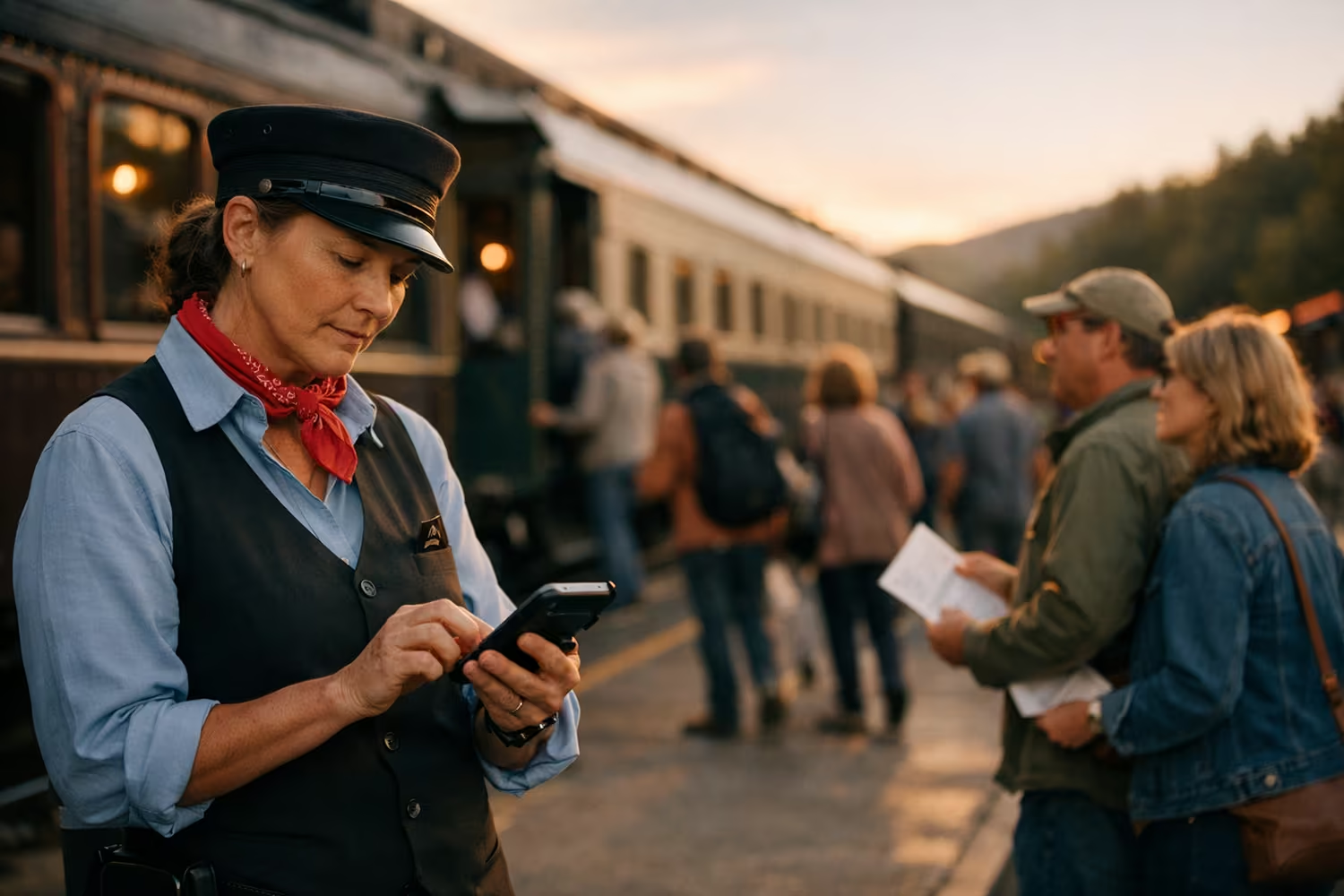
Most scenic railways don't run one ticketing system. They run three or four — and the gaps between them are costing real money.
There's an online booking tool for reservations. A separate POS for the dining car or gift shop. A spreadsheet for group bookings and charters.
And at the boarding platform, some combination of printed manifests, staff intuition, and hard-won institutional knowledge.
It mostly works. Until foliage season hits capacity. Until a group of 60 shows up with a confirmation email your system can't verify. Until a weather cancellation forces you to manually process refunds for 200 bookings on the worst possible day to be doing paperwork.
The question isn't whether your current setup is "bad." Most heritage railway operators have made their systems work through sheer operational willpower. The real question is whether your ticketing platform was built for what scenic railways actually need — or whether you've spent years adapting around its limitations.
Here are seven signs the workarounds are costing you more than a switch ever would.
Group sales are often the highest-margin channel for scenic railways — school trips, corporate events, private car rentals, tour operator packages, wedding charters. But most general booking platforms can't handle the complexity involved:
So it migrates to email. A staff member becomes the de facto group bookings coordinator, managing an elaborate spreadsheet that only they fully understand.
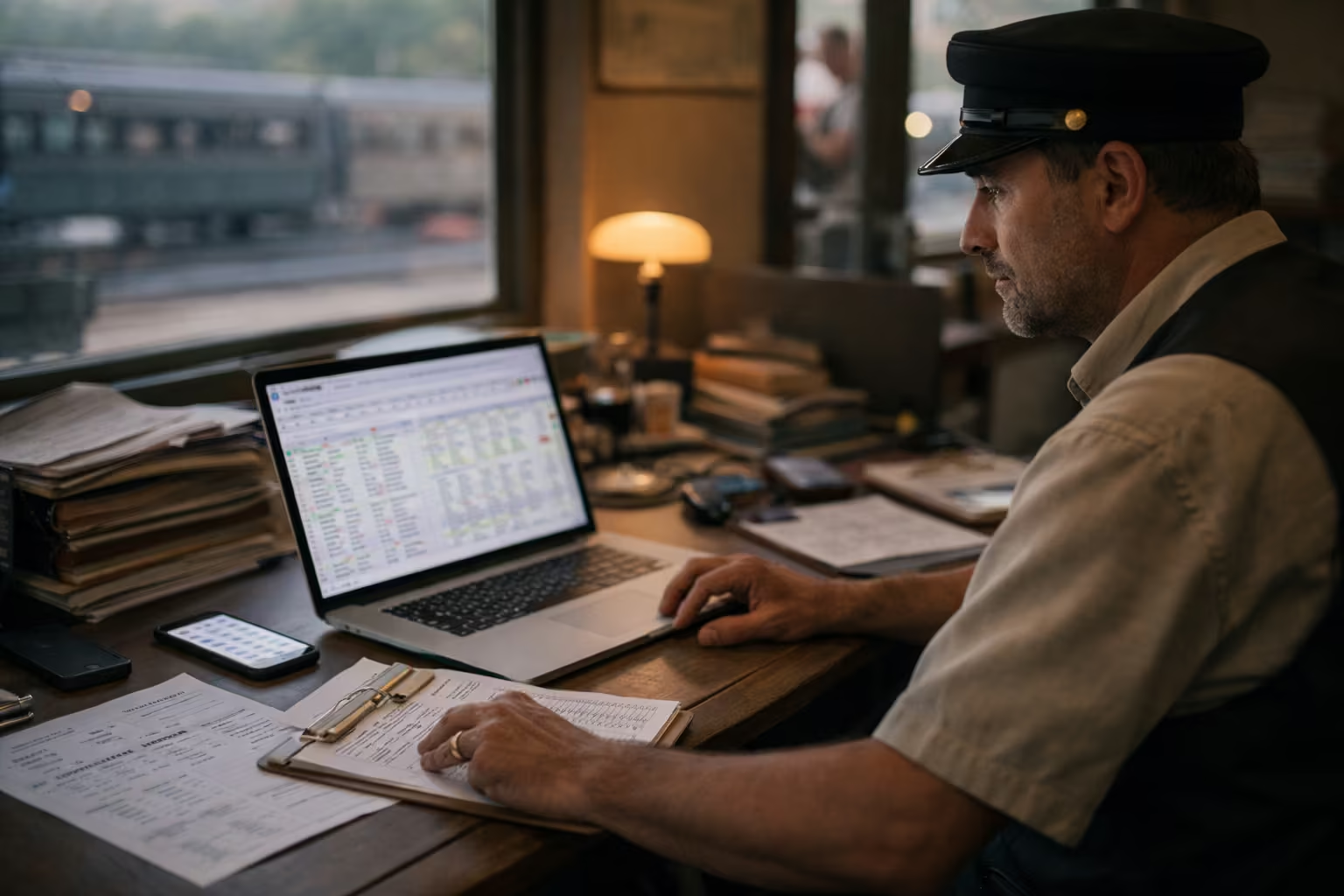
The cost shows up in staff hours on routine coordination, overbooking risk at peak season, no clean data on group revenue as a channel, and bookings that fall through the cracks when that person is out.
Having group booking logic built directly into your reservation system — seat holds, payment schedules, invoicing, and manifests handled without a single export — turns your highest-touch revenue channel into a streamlined one.
Scenic railways have assigned seating in specific coaches — accessible sections, premium open-air platforms, enclosed dining cars, different ticket classes. But most booking platforms show flat capacity at best ("12 seats remaining") or nothing at all.
The result:
Custom seatmap builders that let guests select their seat online — with real-time sold-out blocks by coach and accessible seating flagged at purchase — aren't a premium add-on. They're what a platform built for scenic railways actually includes.
Many scenic railways offer dining cars, wine pairings, narration upgrades, photo packages, and private car options. These are often sold at a separate desk, via a separate form, or not until the guest arrives.
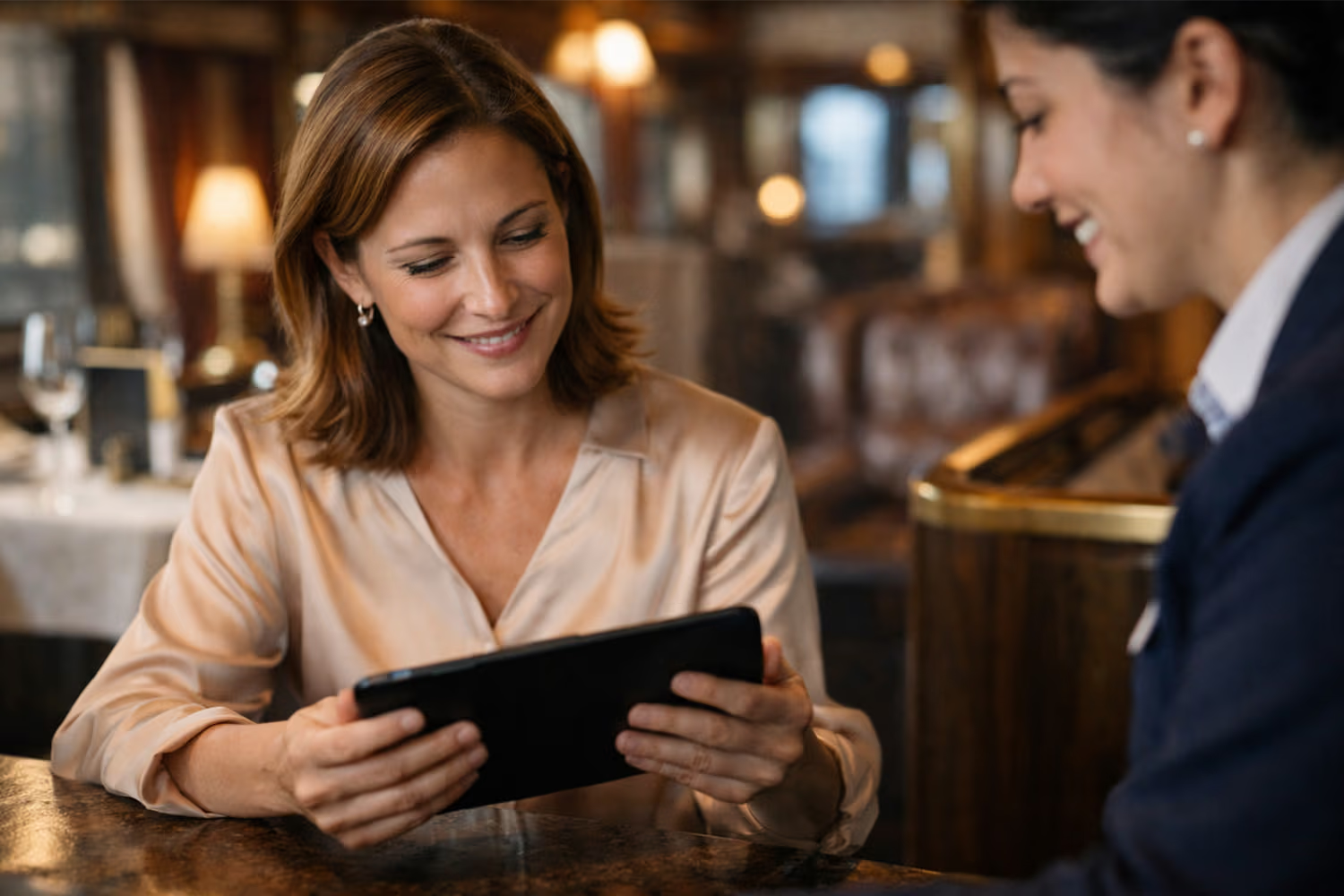
This isn't just an operational inconvenience — it's a direct revenue leak. The highest-conversion moment for an add-on is at ticket purchase, when the guest is already excited and their card details are already in front of them. If your upsell options aren't in that checkout flow, you'll sell some at boarding — but not nearly as many.
Operators who move dining and upgrades into the ticket checkout flow see per-passenger revenue increase consistently — not because the product changed, but because the moment of offer did. Your retail and dining POS and your online booking should be part of the same conversation with your guest.
Scenic railways deal with weather cancellations, track maintenance windows, and mechanical delays regularly. These aren't edge cases — they're part of operating outdoors on historic equipment.
But most booking platforms treat a departure cancellation as a manual support task, handled one booking at a time. Without departure management built in, here's what a weather day looks like:
On a day when your team is already stretched thin.
Relay — RocketRez's automated guest communication tool — ties departure notifications directly to specific windows, so guests are informed before they call you. Partial refund and credit workflows apply to an entire departure at once, not booking by booking.
For weather-specific cancellations, the Sensible Weather integration lets guests opt into weather protection at checkout — removing a booking hesitation for guests nervous about committing to an outdoor experience months in advance, and reducing your refund burden when conditions don't cooperate.
Fall foliage. Holiday trains. Easter specials. Summer peak. These are your highest-demand windows, and they warrant different pricing from your shoulder-season baseline. Acting on that usually means:
Downstream problems compound: pricing errors at transitions, missed revenue during peak demand, and no way to schedule promotional windows in advance.
Dynamic pricing and scheduled rate changes mean you configure the rules once. Fall foliage pricing activates on the right date. Holiday train rates apply to the right departure windows. Time-limited promotions run and expire automatically — no manual intervention required.
What was your per-passenger revenue last Saturday? Which departure class converts the most add-ons? How did group bookings perform compared to the same weekend last year?
If answering any of those questions requires:
...then your reporting isn't reporting. It's a periodic manual project that delivers historical data days after you needed it.
Real-time, unified dashboards pull ticket revenue, add-on revenue, group revenue, and merchandise into a single view — no exports, no reconciliation. For operators who want to go deeper, Power BI integration keeps your data current and available to anyone in your organization who needs it.
Fragmented reporting isn't just an inconvenience. When your ticketing system, POS, and group bookings live in separate places, you can't see your business clearly enough to make confident decisions about pricing, staffing, or programming.
At the platform, staff have a printed manifest. Or a tablet running a different app. Or they're relying on regulars. The reservation a guest made three weeks ago online exists in a separate world from what happens at the gate.
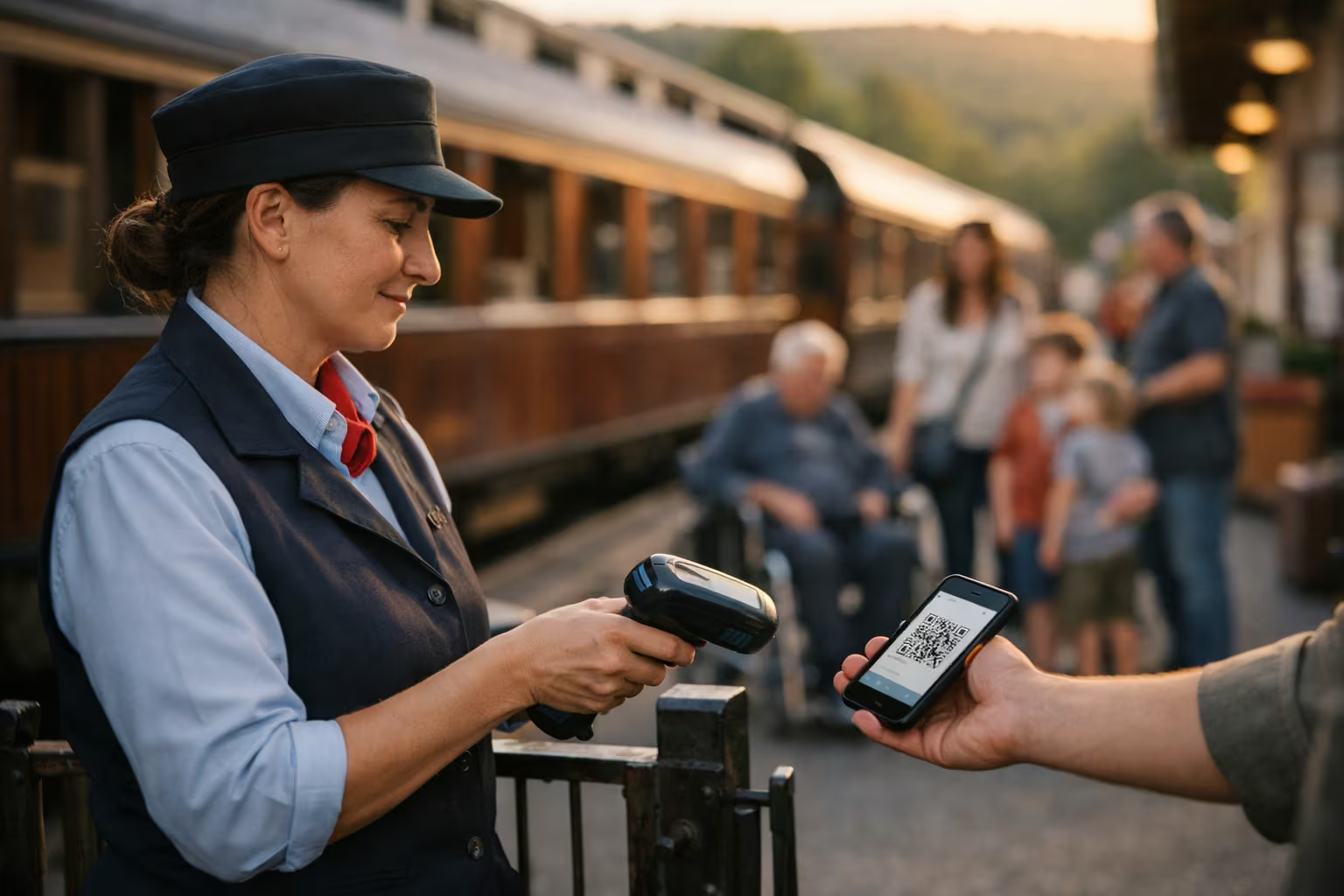
For routine departures this is manageable. But at capacity, the gaps show:
Boarding is the last impression guests have before the journey begins. Mobile QR scanning tied directly to the reservation record — with real-time capacity tracking and accessibility accommodations surfaced automatically — closes the gap between the booking experience and the on-site one.
Changing platforms takes planning. There's a go-live window to choose, a team to train, and a season to protect. That's a real consideration.
But count the signs above that apply to your operation. Each one carries a measurable cost — in staff hours, missed add-on revenue, group bookings that don't get captured cleanly, and bad weather days that are harder than they need to be.
Staying on a system that wasn't built for scenic railways isn't free either.
Scenic railways like Verde Canyon Railroad and Mount Washington Cog Railway are managing ticketing, seatmaps, group bookings, onboard upsells, and platform boarding from one system.