Geraldine Lee
Published: Jan 14, 2026 | Updated: Mar 13, 2026


If you run a seasonal attraction, you've probably said some version of this: "They're only here for six months."
It sounds reasonable. Why invest heavily in people who won't stick around? Why give seasonal staff the same onboarding as year-round employees? Why spend limited time and budget on workers who'll be gone before the leaves change?
Here's the problem: that mindset is the single biggest culture killer in seasonal operations.
"The first thing that comes into the organization's mind is, well, why invest in them in a big way?" says Shaun McKeogh, CEO and founder of Attractions Academy, on a recent episode of Signal. "That situation creates a whole lot of decisions that can impact negatively what you're trying to achieve."
Shaun has spent over two decades transforming cultures at attractions worldwide—from building Ferrari World Abu Dhabi's award-winning service culture from scratch across 32 nationalities, to advising operators through Attractions Academy on everything from onboarding to leadership development.
His core message for seasonal operators? The length of employment is irrelevant. What matters is how you make people feel from day one.
When organizations view seasonal staff as temporary labor rather than brand ambassadors, the consequences ripple through everything:
"Why give them the same timing for the induction program when they're only gonna be here for six months?" This thinking leads to rushed, incomplete training that leaves employees underprepared and disengaged.
Training budgets, recognition programs, and engagement initiatives get cut because "they won't be here long enough for it to matter."
When you expect less from people, they deliver less. The prophecy fulfills itself.
Seasonal staff often represent the majority of guest-facing interactions during peak periods—exactly when your experience matters most.
The irony? Seasonal employees are often your most visible workforce. They're the ones guests encounter during your busiest, most important days. And they can tell when they're being treated as disposable.
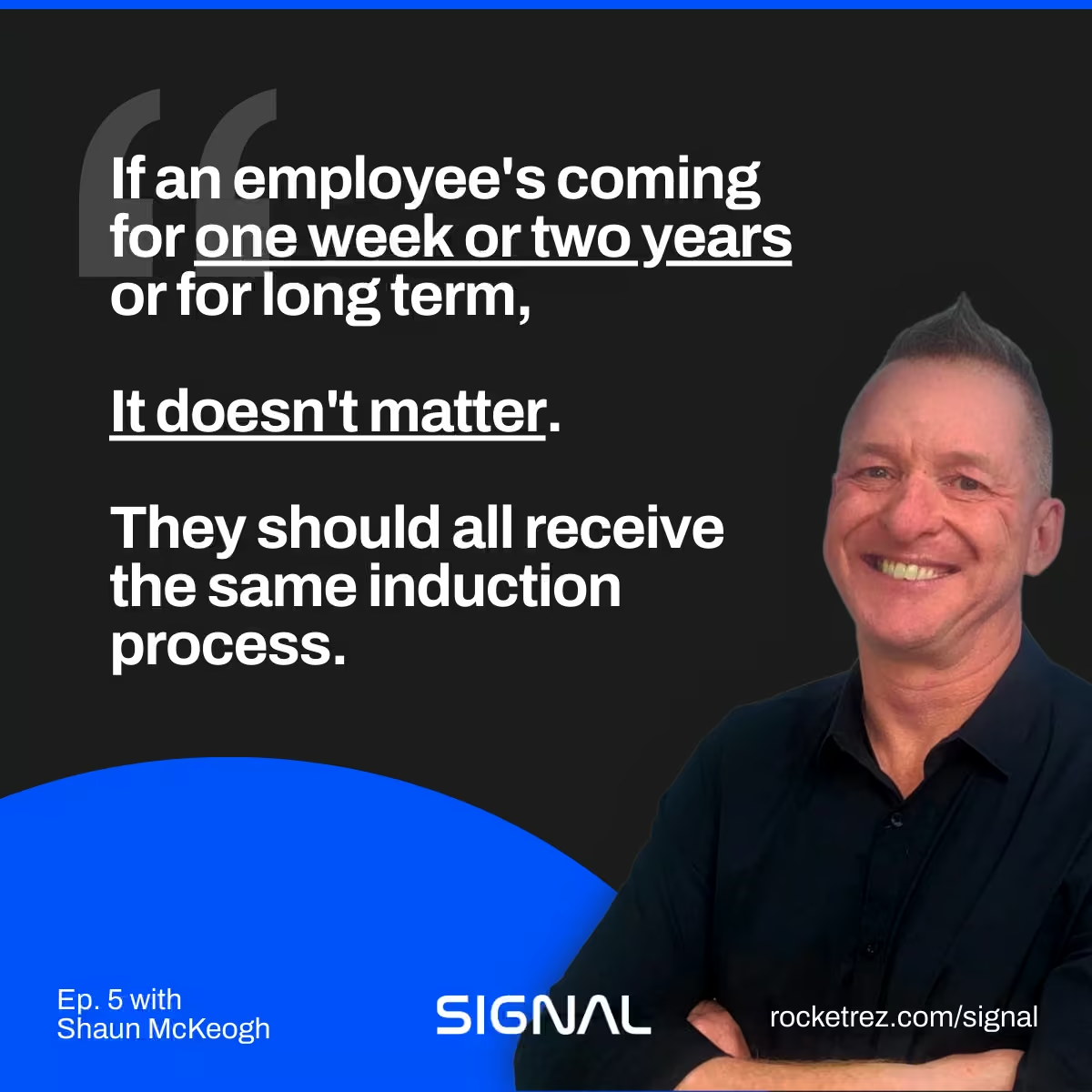
Shaun's approach flips the conventional wisdom: "If an employee's coming for one week or two years or for long term, it doesn't matter. They should all receive the same induction process and the same amount of time and the same amount of startup support."
This isn't idealism—it's strategy. Here's what it looks like in practice:
"The aim for any induction program is that people are welcomed into the organization and are welcomed in such a way that they understand the organization, they understand where it's going, what it's about, and that they walk out of that induction process motivated and in love with the company," Shaun explains.
Why does "in love" matter?
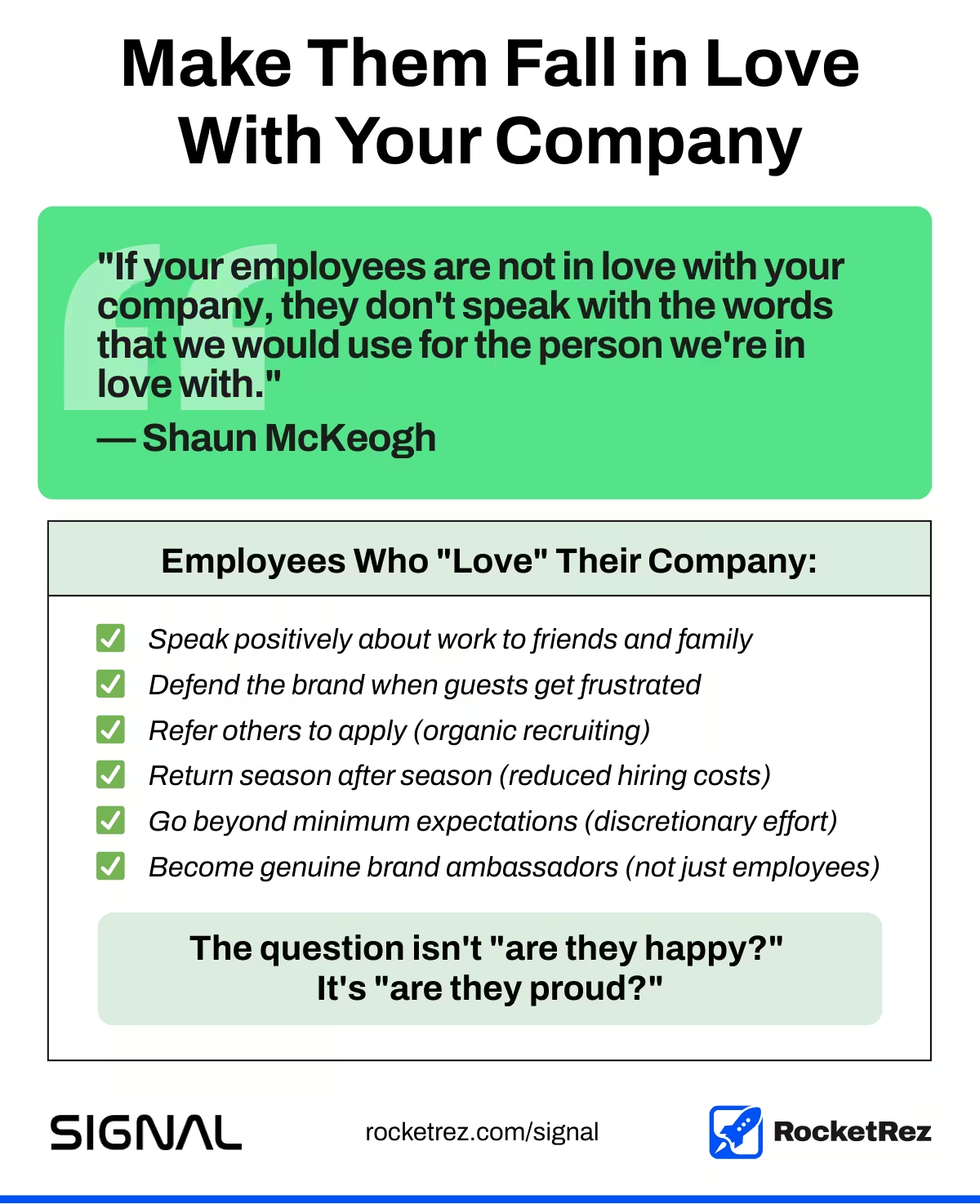
Because employees who feel connected to your brand become genuine ambassadors. They defend you when guests get frustrated. They speak positively about their workplace to friends and family. They refer others to apply. They return year after year.
"If your employees are not in love with your company, they don't speak with the words that we would use for the person that we're in love with," Shaun notes. "They don't talk to their friends and their family about their workplace positively."
Time compression isn't an excuse for skipping steps—it's a constraint that demands strategic design.
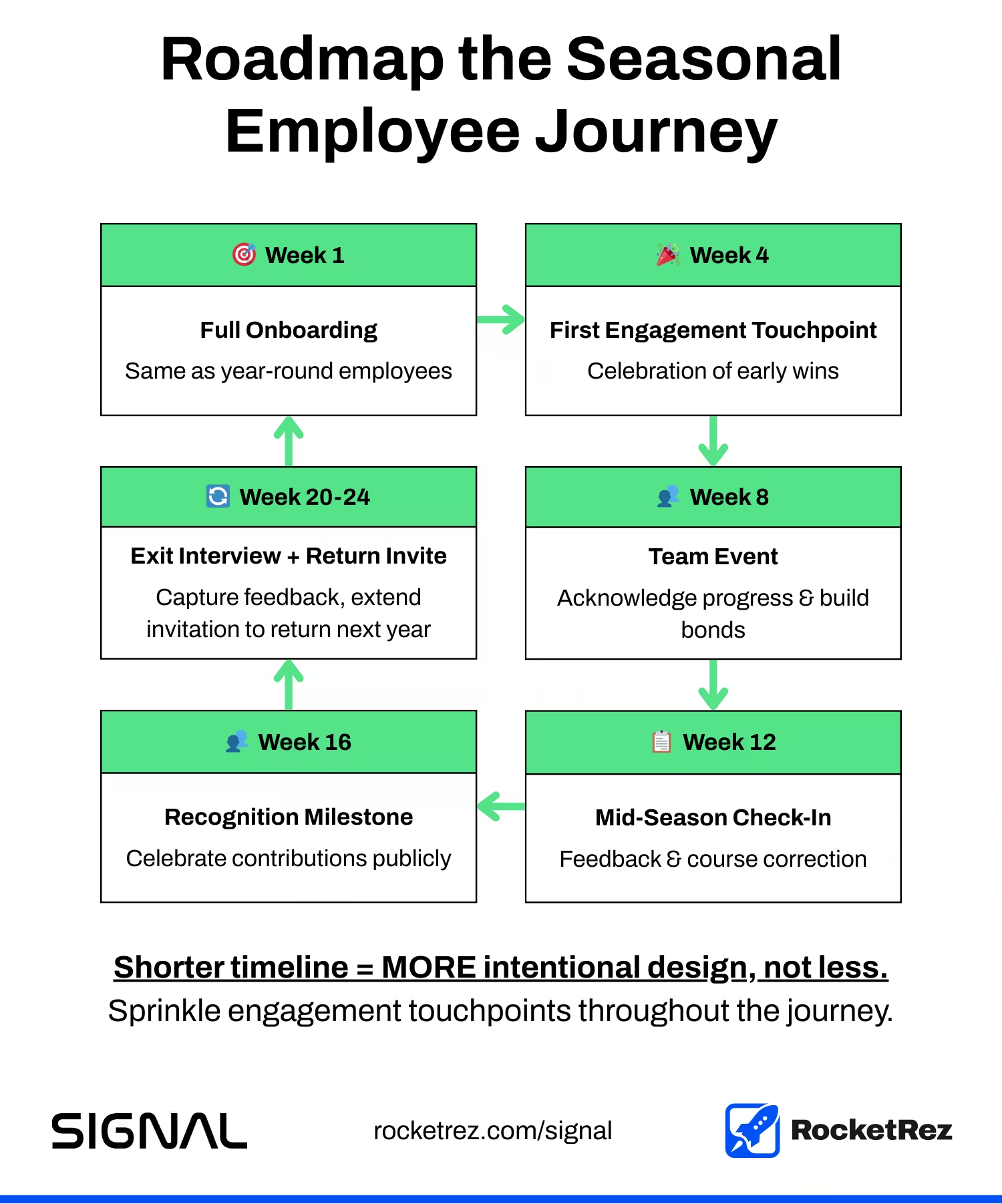
"You have to roadmap what their employee journey will look like if they're only here for six months," Shaun advises.
"First of all, what they need to do their job well, and then what do they need to exemplify and be ambassadors for our organization. And you have to sprinkle that over the top."
This might mean engagement touchpoints every four to eight weeks—celebrations, team events, acknowledgments of progress. The journey is shorter, but it should still be intentional.
"Disney is going to have a big budget," Shaun acknowledges. "Things are going to look different. But in a small organization, we could still achieve the same outcomes with a small budget. We do it in different ways."
The most powerful culture-building tools don't cost money:
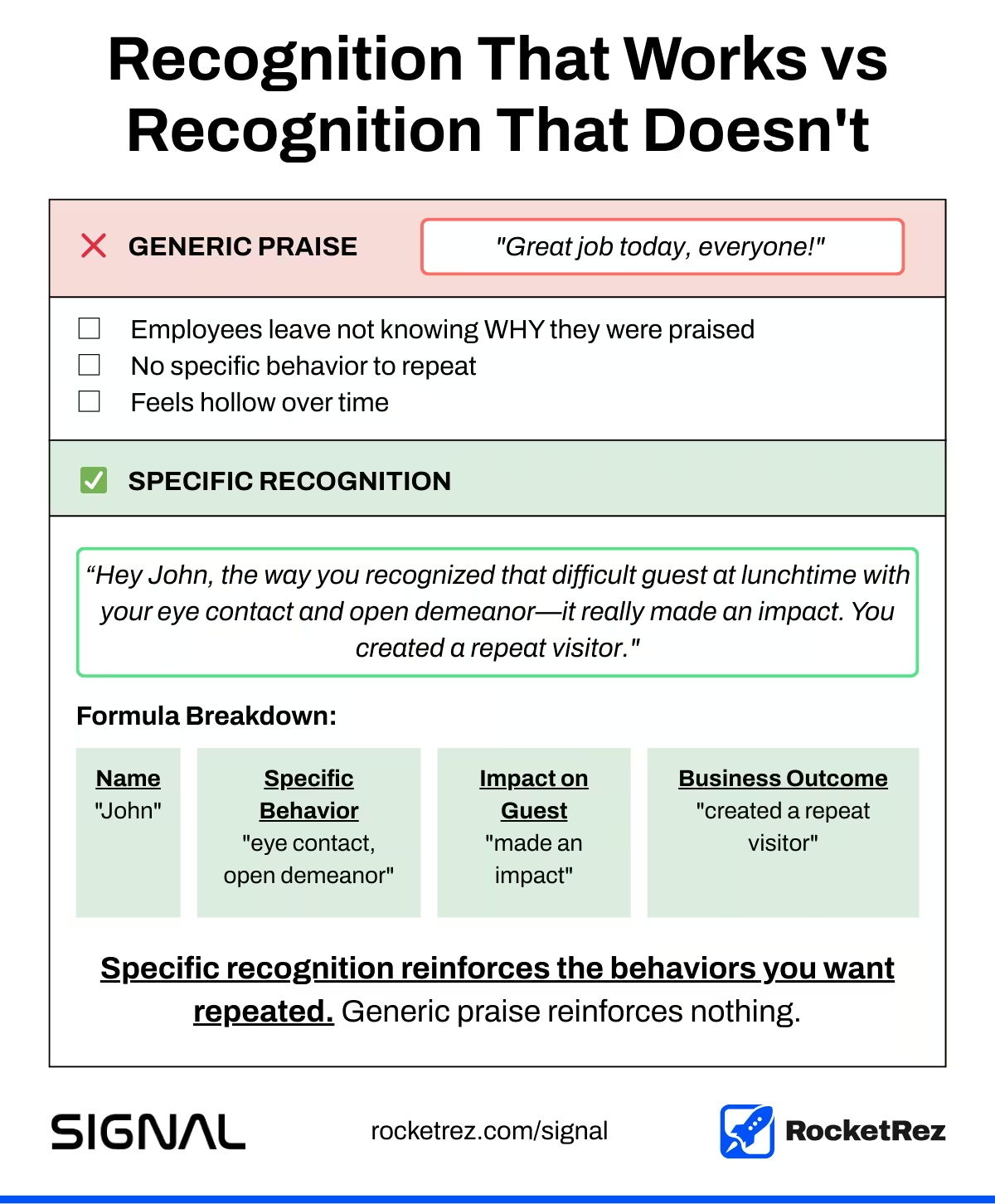
Shaun shares a case study that illustrates what happens when you treat frontline staff as business partners:
At Warner Brothers Movie World in Australia, food and beverage employees would clock in, sell food, clean up, close the till, and go home. They had no visibility into how their outlet performed. It was a job, not an ownership stake.
Then the organization tried something different. They told one bakery team: "You're now in charge of this outlet's profits. Everything that your team does in this outlet, you'll see all the results."
The transformation was immediate. Employees noticed that when they asked "Would you like sauce with that?"—a 50-cent upsell—their numbers moved. The manager rallied the team: "Hey everyone, let's all say 'Would you like sauce with that?' today."
"This outlet started to learn that, wow, if we all said the same thing or we all added something on to the sale consistently, our sales go up," Shaun recalls. "That performance of that individual outlet once they had ownership for it increased remarkably."
The lesson applies directly to seasonal operations: when people understand the impact of their work and feel ownership over outcomes, engagement follows naturally.
Most suggestion boxes are graveyards for good ideas—submissions go in, nothing comes out, and eventually everyone stops bothering.
At Ferrari World Abu Dhabi, Shaun helped design a system that actually worked. The difference wasn't the box—it was the process around it:
Before submitting ideas, staff learned to consider outcomes, costs, timing, resources, and viability. They templated solutions like business partners, not just complainers.
Every single submission received a personal response explaining what the committee thought and what would happen next.
Ideas that got implemented earned the employee a portion of the savings or value created—paid out over 12 months. Health and safety improvements that reduced insurance costs? The employee who suggested it got a cut.
In the employee tunnels beneath the park, successful suggestions were displayed with the employee's name and how much they were earning from their contribution.
"Employees could see how every suggestion was being acknowledged, responded to, and the impact it was making financially and how that was also coming into their colleagues' pockets," Shaun explains. "That was problem-solving 101 at Ferrari World, and it was so effective."
Building culture isn't just about investing in the right people—it's also about addressing those who don't fit. And this is where many organizations fail.
"In every organization, no matter what type of culture exists, there's going to be people that are not going to possibly fit in that culture," Shaun notes. "There is a role for organizations to identify who doesn't fit in this culture and move them on."
The probation period exists for exactly this reason—and it's woefully underutilized.
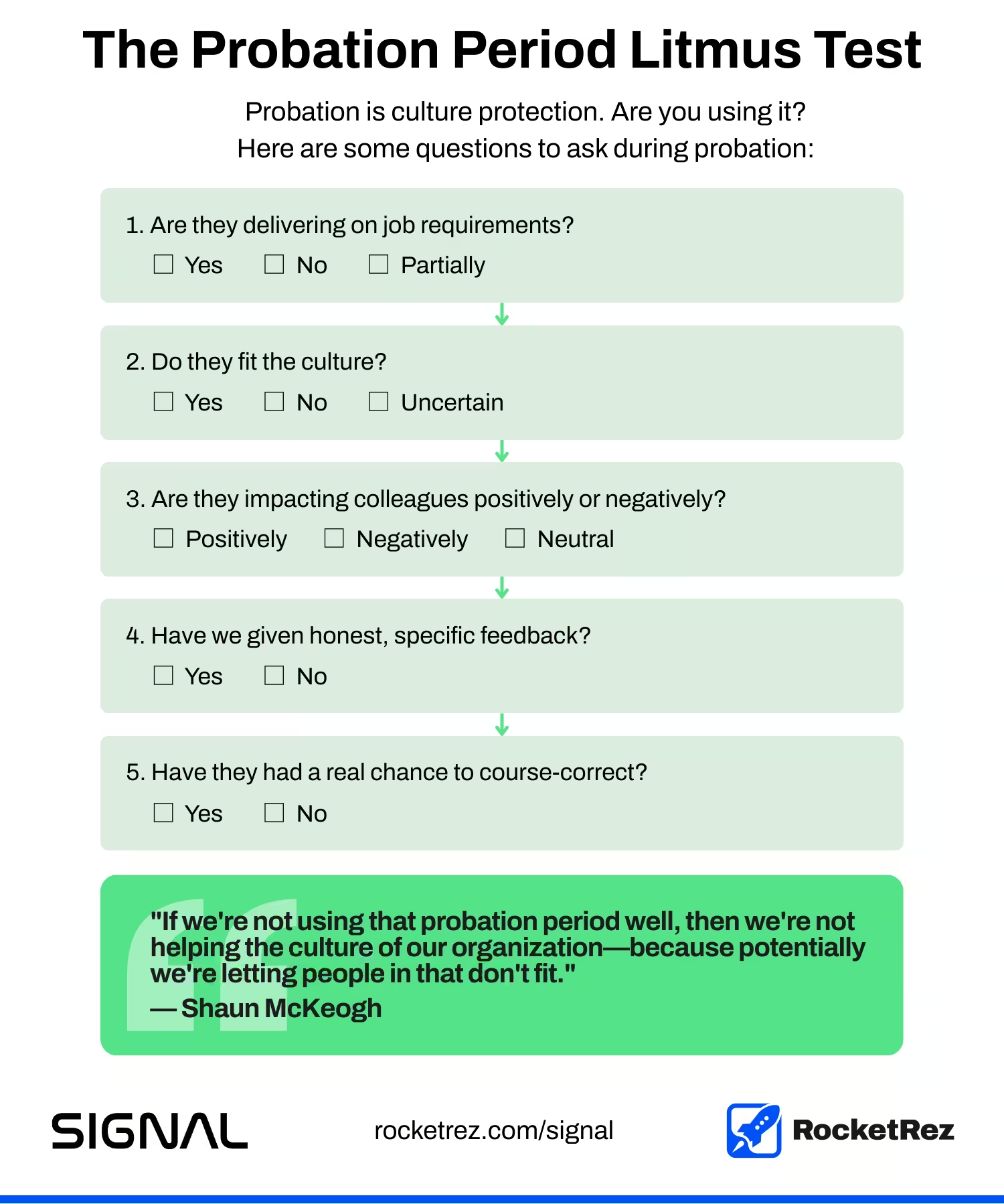
"If leaders and supervisors are not using that probation period well, and giving feedback, and identifying whether the employee fits and they've made the right decision to join your organization—if we're not using that probation period well, then we're not helping the culture of our organization."
This applies even when someone is technically a high performer. If they're negatively impacting colleagues, the math changes.
"If they're impacting others, that's where we have to be upfront and honest and work with them and give them a chance, give them the support. But if they're not changing with that impact, then we've got to move them on."
Shaun's advice for operators who want to start building better culture immediately:
"Gather people in the room—their leadership team, including representatives from all different levels of the organization—and just ask the question about how we're doing when it comes to delivering service and the guest experience."
No consultants. No budget. Just an honest workshop where different parts of the organization share what's working and what isn't.
"It gives us something collectively that we focus on. It will start to create a common language, identify the common issues, and then start to problem-solve."
The conversation itself becomes culture-building. You're modeling transparency, inviting input from all levels, and demonstrating that service delivery matters enough to dedicate time to discussing it.
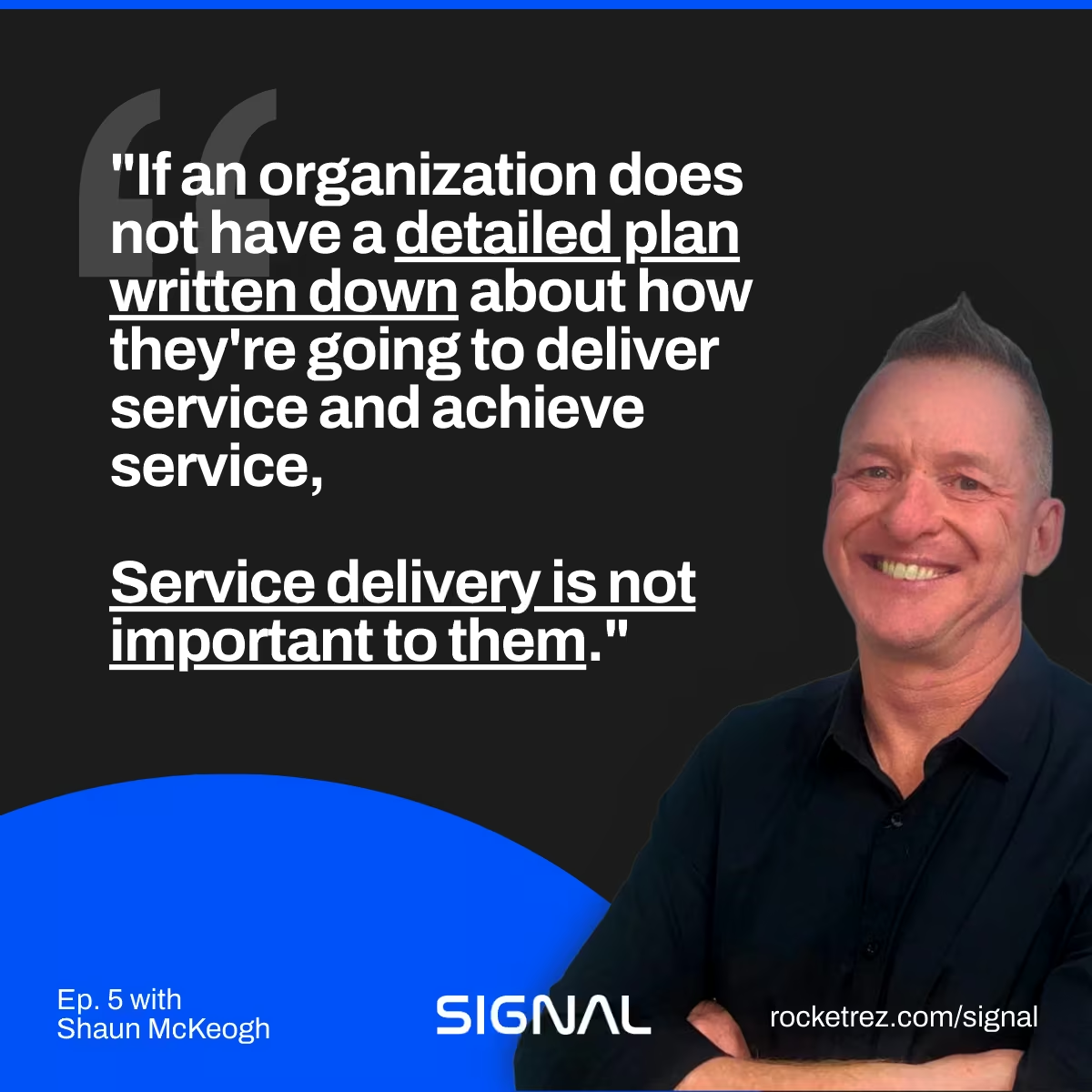
And here's Shaun's litmus test for whether an organization is serious about service: "If an organization does not have a detailed plan written down about how they're going to deliver service and achieve service, service delivery is not important to them."
The seasonal staffing challenge isn't really about time constraints or budget limitations. It's about mindset.
Organizations that treat seasonal employees as temporary labor get temporary results. Organizations that treat them as stakeholders—investing in their onboarding, recognizing their contributions specifically, giving them ownership over outcomes, and including them in the culture—get brand ambassadors.
The length of employment is just a number. What matters is whether someone walks out of their first day motivated and in love with your company—or already counting down to their last.
"Culture makes a difference," Shaun says. "Take a moment to be strategic about culture, and know that by design you can impact culture. That's what we have to do."
This article is based on Episode 5 of Signal, featuring Shaun McKeogh, CEO & Founder of Attractions Academy. Listen to the full conversation for more insights on recognition systems, managing toxic team members, and building leadership capabilities in seasonal environments.
Listen to Episode 5: Building Culture That Lasts by Design with Shaun McKeogh
Connect with Shaun McKeogh: LinkedIn
Learn more about Attractions Academy: LinkedIn
Signal is the podcast for attraction leaders shaping the future of guest experiences. Hosted by John Pendergrast and Tim Samson, we bring you candid conversations with industry innovators who are building the experiences that bring people together. Subscribe wherever you get your podcasts.